

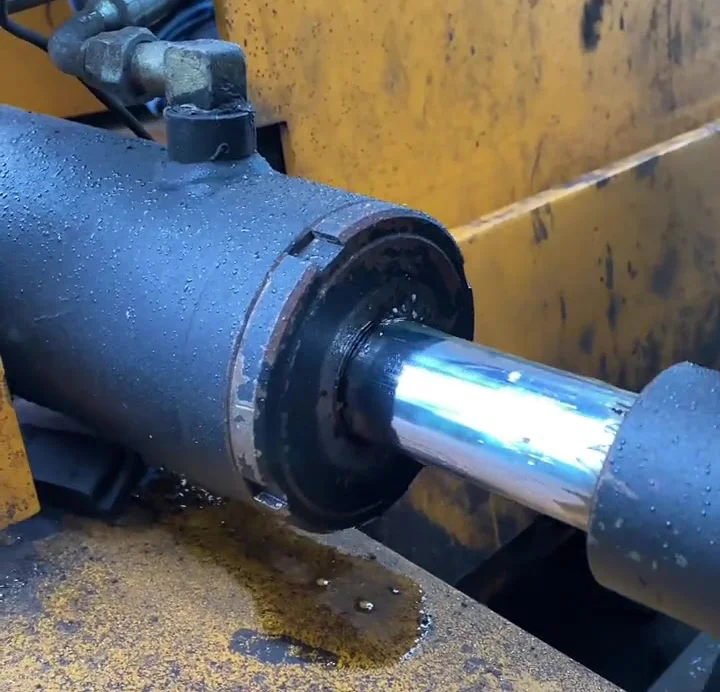
A hydraulic cylinder starts leaking, so the seals are replaced. Yet soon after the repair, oil appears again. Why does a new seal kit fail to solve the problem?
The answer may extend beyond the seals themselves. Cylinder construction, worn components, assembly quality and hydraulic system conditions all affect sealing performance. If a hydraulic cylinder still leaks after seal replacement, the next step is to identify what is causing the seals to fail or where the oil is actually escaping.
The following eight causes provide a practical framework for troubleshooting recurring hydraulic cylinder leakage.
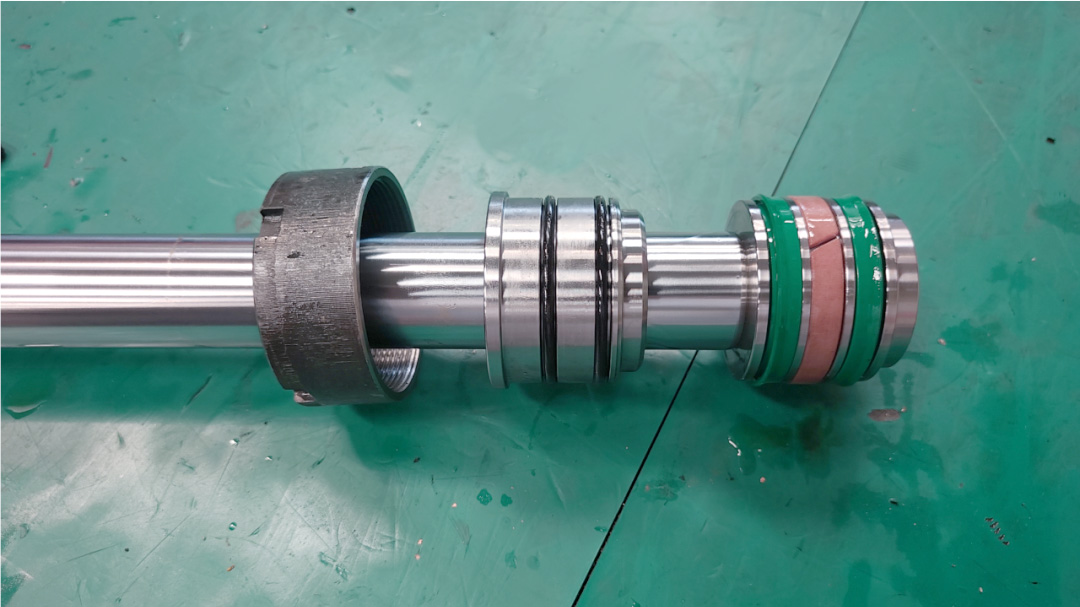
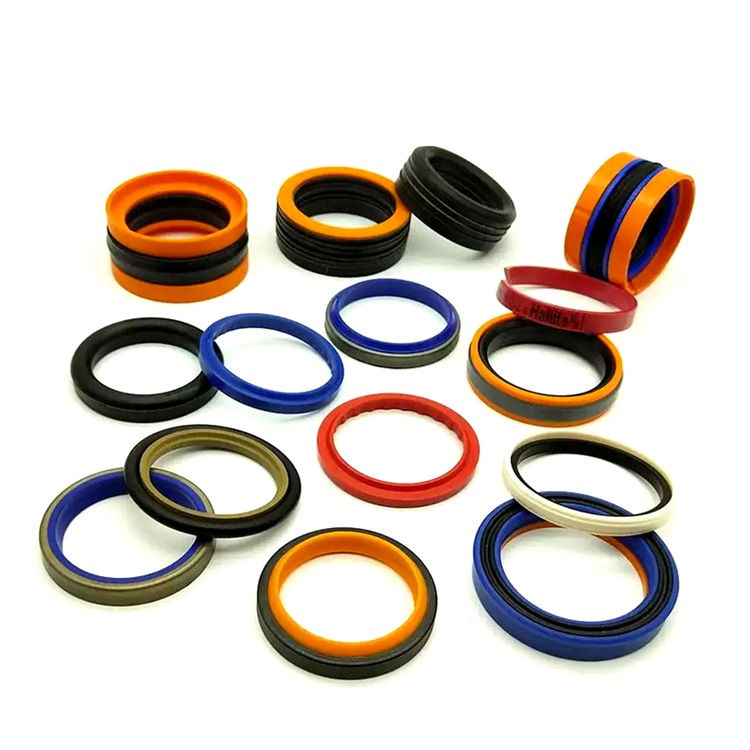
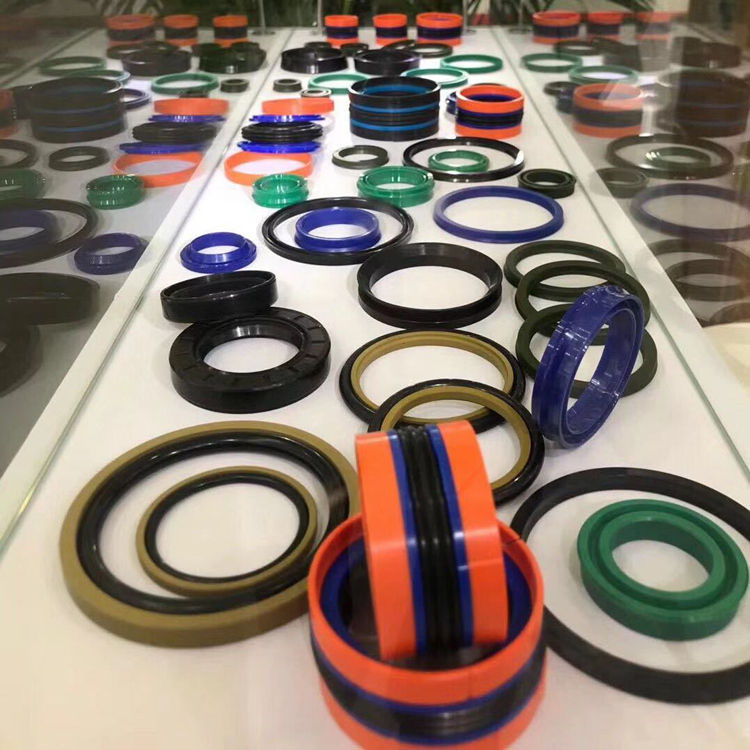
1. The seal type or material does not match the application
A replacement seal is not suitable simply because its dimensions are close to those of the original. Working pressure, hydraulic fluid, temperature, operating speed and mounting arrangement all influence seal requirements.
If the dimensions, hardness, material or seal profile are unsuitable, the result can be:
- Oil leakage shortly after installation.
- Loss of sealing performance under high pressure.
- Reduced sealing performance at low or high temperatures.
- Seal extrusion, lip rollover or other damage.
A cylinder in standard service may need a different seal arrangement from one operating under high pressure and heavy loads. Before fitting a replacement, confirm the seal groove dimensions, pressure rating and material compatibility. Choosing a seal by approximate size alone is unlikely to resolve the underlying problem.
2. The piston rod is scratched or its chrome plating is worn
The rod seal area is one of the most common locations for external cylinder leakage. If the piston rod is scratched, corroded, scored or affected by flaking chrome plating, even a new rod seal can soon fail.
During each stroke, the damaged surface passes through the sealing lip. These defects can repeatedly cut or abrade the seal.
Typical signs include:
- An oil film or droplets at the rod exit.
- A replacement seal that fails after only a short service period.
- Visible scratches or rust spots on the piston rod.
- Leakage that becomes more noticeable during extension and retraction.
Replacing the seal alone will not repair the rod surface. Inspect whether the rod needs re-chroming, polishing or other surface restoration. Severe damage may require rod replacement.
3. The cylinder bore is worn or scored
Poor cylinder force, an inability to hold pressure, uncommanded sinking or severe internal leakage may indicate a problem inside the cylinder.
Wear, scoring, out-of-roundness or localized corrosion on the cylinder bore can prevent the piston seal from maintaining an effective seal against the bore. A new piston seal may therefore fail to establish reliable sealing.
These conditions are commonly associated with:
- Equipment subjected to frequent operation over a long period.
- Systems with heavily contaminated hydraulic oil.
- Metal particles or other debris entering the cylinder.
- Prolonged operation above the equipment’s rated load.
When the cylinder bore is already damaged, replacing the seals may offer only temporary improvement. The damaged sealing surface must also be addressed to resolve the leakage.
4. Worn guide bushings or wear rings cause uneven loading
The piston rod must remain properly guided during its linear movement. Severe wear of the guide bushing, support rings or wear rings can allow misalignment and eccentric loading.
The resulting uneven contact pressure makes one side of the seal wear faster than the other, allowing leakage to return.
Look for:
- Pronounced wear on one side of the seal.
- Rough or uneven rod movement.
- Binding during cylinder extension or retraction.
- Leakage that repeatedly returns at the same location.
These symptoms can indicate failure of the cylinder’s guiding arrangement. Inspect the guide bushing, support rings, mounting eyes and the alignment of the installed cylinder as part of the repair.
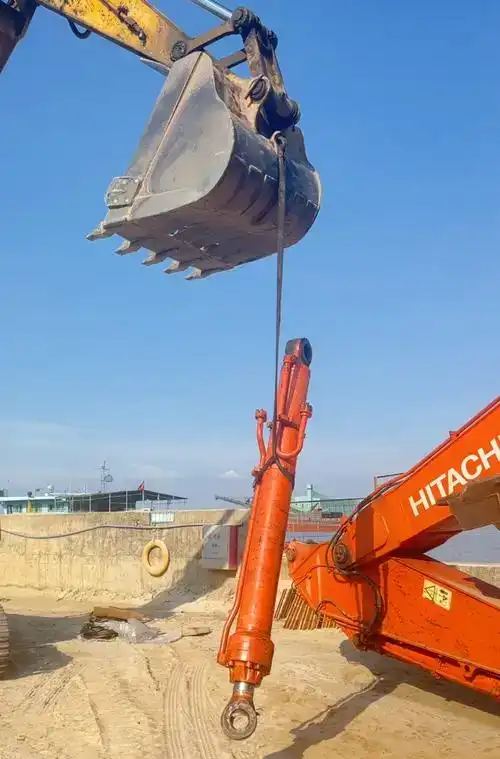
5. The new seal was damaged during installation
When a hydraulic cylinder leaks immediately after a seal change, installation damage is one possible cause.
Common assembly faults include:
- Scratching the sealing lip during fitting.
- Installing a seal in the wrong direction.
- Leaving burrs in the seal groove.
- Using unsuitable installation tools.
- Forcing a seal to stretch or twist excessively during assembly.
Rod seals, piston seals, wipers and combined sealing arrangements require careful handling. Without proper cleaning, lubrication and protection during assembly, a new seal can be damaged before the cylinder returns to service.
6. Excessive pressure or pressure spikes overload the seals
Recurring cylinder leakage can originate in the hydraulic system. Excessive operating pressure, an unsuitable relief valve setting or frequent pressure spikes can expose the seals to loads beyond their design limits.
Check for:
- A system pressure setting that is too high.
- Loads exceeding the design range.
- Frequent hydraulic shocks or pressure spikes.
- Unstable operation of the valve assembly.
- A failed cylinder cushioning arrangement.
Under these conditions, even a higher-quality replacement seal may soon leak again. Inspect system pressure, valve condition and actual operating loads alongside the cylinder.
7. Hydraulic oil contamination or excessive temperature shortens seal life
Fluid cleanliness and temperature have a major effect on hydraulic seal service life.
Metal particles, dust, water and other contaminants can damage both seals and metal surfaces. Over time, seals may become scratched, aged or hardened, or lose their elasticity. Excessive oil temperature accelerates deterioration and can make seals hard and brittle, eventually causing leakage.
Inspect the following:
- Whether the oil has darkened, emulsified or accumulated visible contamination.
- Whether filter elements are overdue for replacement.
- Whether the reservoir is clean.
- Whether the system operates with persistently high oil temperature.
- Whether the hydraulic oil grade is suitable for the application.
A seal change cannot resolve continuing contamination or overheating. These operating conditions must be included in the fault investigation.
8. The leak originates at a port, weld or fitting
Oil on the outside of a cylinder does not necessarily come from a seal. The actual source may be a hydraulic port, fitting, weld or pipe connection.
During operation, escaping oil can run along the cylinder body and collect elsewhere, making the leak appear to originate at the rod seal.
Clean the cylinder exterior before diagnosis, then observe the leak during low-pressure and high-pressure testing within the equipment’s permitted operating range. Locate the actual source before deciding whether the fault involves a seal, the cylinder structure or an external connection.
Hydraulic cylinder leakage: symptoms and possible causes
Use the following comparison to guide the inspection. These symptoms indicate possible causes; the leak location and component condition still need to be confirmed.
| Symptom | Possible causes |
|---|---|
| Oil leaking around the piston rod | Damaged rod seal, scratched piston rod or worn guide bushing |
| Weak cylinder movement or uncommanded sinking | Failed piston seal, cylinder bore wear or internal leakage |
| Leakage immediately after seal replacement | Incorrect seal type, installation damage or burrs in the seal groove |
| Leakage only at high pressure | Excessive pressure, unsuitable seal arrangement or seal extrusion |
| Severe wear on one side of a seal | Side loading, worn guides or installation misalignment |
| Oil leaking near a hydraulic port | Loose fitting, damaged O-ring or poor port sealing |
What to inspect before replacing the seals again
If a hydraulic cylinder continues to leak after a seal replacement, review the complete sealing system:
- Check the piston rod for scratches and corrosion.
- Inspect the cylinder bore for wear and scoring.
- Examine the guide bushing and support rings for wear.
- Confirm that the seal type and material match the application.
- Check whether assembly damaged the seals.
- Verify system pressure, oil temperature and hydraulic oil cleanliness.
- Confirm whether the oil is escaping from a port, fitting or weld.
Effective hydraulic cylinder repair brings together seal selection, component condition, assembly quality and system operating conditions. Identifying and correcting the actual cause helps prevent repeated leakage and repairs while reducing equipment downtime and maintenance costs.
For more information about our hydraulic cylinder manufacturing, projects and services, please contact the Elephant Machinery team.
Contact our team